


 Spanish
 Russian
 Arabic


Products Description
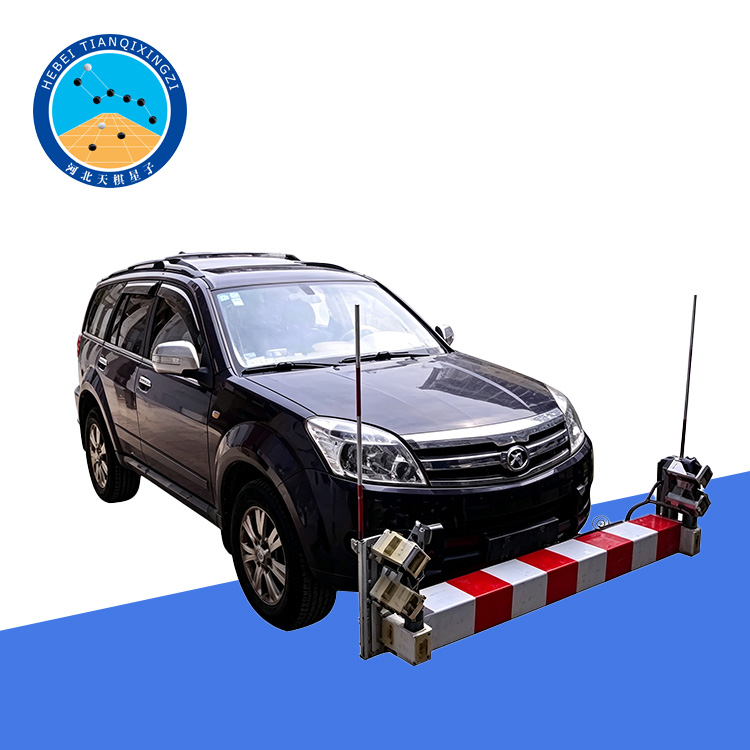
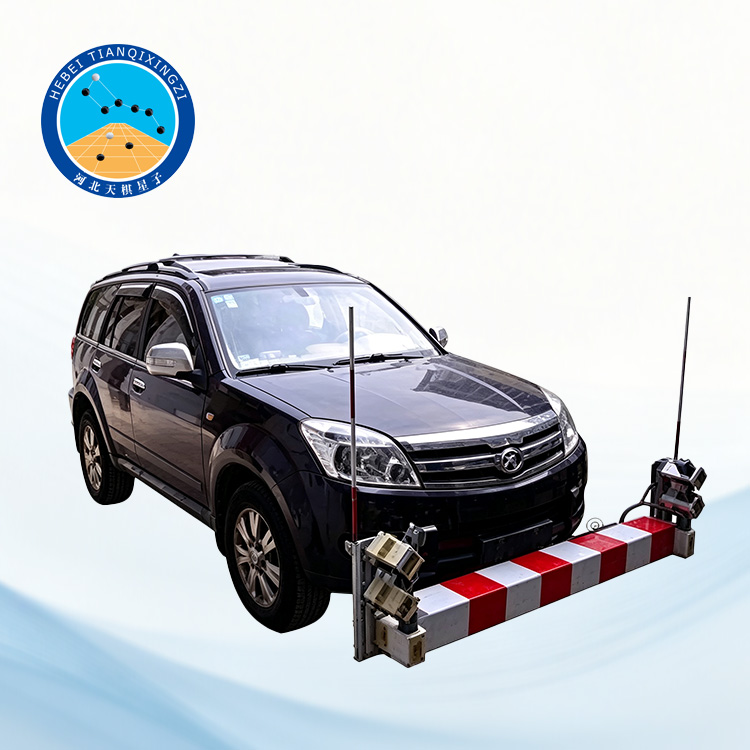
Vehicle-Mounted Laser Pavement Texture Depth Tester is an advanced road surface inspection device designed for high-speed, non-contact measurement of pavement texture depth. Using laser scanning technology and an inertial reference system, it provides accurate and continuous measurement of pavement macrotexture, IRI, and rutting depth.
Vehicle-Mounted Laser Pavement Texture Depth Tester
Model:TD966-1
I. Main Applications
The Vehicle-Mounted Laser Pavement Texture Depth Tester is used for pavement quality acceptance of new construction and rehabilitation projects. It can continuously collect pavement texture depth data under normal traffic conditions without severe surface damage, standing water, snow, or mud. It is not applicable to grooved concrete pavements. The equipment complies with the Chinese industry standard JTG 3450-2019 Field Test Methods of Highway Subgrade and Pavement Engineering and refers to ISO 13473-1 and ASTM E1845 standards.
II. Function Description
1. The Vehicle-Mounted Laser Pavement Texture Depth Tester adopts advanced laser measurement technology combined with traditional inertial reference transfer measurement theory. The three-section beam structure integrates a 13-channel laser measurement system with high-power, long-range, oblique laser sensor technology, enabling simultaneous measurement of the International Roughness Index (IRI), Sensor-Measured Texture Depth (SMTD), and full-lane pavement rutting depth. This provides an integrated solution for comprehensive road surface performance evaluation.
2. The testing system consists of a carrier vehicle, distance sensor, laser sensor, and main control unit. Equipped with dedicated software, it automatically controls data acquisition, transmission, recording, and data processing. The main technical requirements are as follows:
(1) Maximum testing speed: ≥50 km/h.
(2) Sampling interval: ≤5 mm.
(3) Vertical measurement indication error of the sensor: ≤0.1 mm.
(4) Distance calibration error: <0.1%.
III. Technical Specifications
1. Number of laser sensors installed on the transverse profile: 13 (including 4 high-power, long-range oblique laser sensors).
2. Test lane width of the transverse profile: 3500 mm.
3. Three-section test beam: The detachable sections are installed for rutting measurement, while the basic section is used for other tests. The overall length of the three-section test beam is basically consistent with the width of the test vehicle.
4. Basic section length: 1700 mm.
5. Detachable section length: 2 × 160 mm.
6. Test Result Output:
IRI measurement range: 0–15 m/km
Pavement texture depth measurement resolution: <0.1 mm
Rutting measurement range: 0–200 mm
Rutting measurement resolution: 0.1 mm
7. Testing Speed:
Pavement roughness testing: 20 km/h–140 km/h
Pavement texture depth testing: 20 km/h–100 km/h
Rutting testing: 20 km/h–140 km/h
IV. Main Features and Advantages
1. High-Speed Continuous Measurement
The system enables continuous pavement testing under normal traffic conditions without affecting traffic flow, significantly improving testing efficiency compared with traditional manual measurement methods.
2. Non-Contact Laser Measurement
Advanced laser sensors provide high measurement accuracy and repeatability while avoiding mechanical wear caused by traditional contact-type measuring devices.
3. Multi-Parameter Integrated Testing
One system can simultaneously measure pavement roughness (IRI), texture depth (SMTD), and rutting depth, reducing testing time and improving inspection efficiency.
4. Wide Application Range
The equipment is suitable for highway construction acceptance, pavement maintenance evaluation, and road condition surveys, providing reliable technical support for pavement management.
5. High Adaptability
The modular three-section beam design allows flexible configuration according to different testing requirements, making the system suitable for various pavement evaluation projects.
