


 Spanish
 Russian
 Arabic


Products Description
The Vehicle-Mounted Road Roughness Tester is based on the response-type pavement roughness measurement principle. During vehicle operation, pavement irregularities cause vertical movement between the vehicle body and the suspension system. The instrument detects these dynamic responses through an electronic sensor and converts them into pavement roughness evaluation data through a built-in calculation model.
Vehicle-Mounted Road Roughness Tester
Model:TD933-1
I. Product Introduction
The Vehicle-Mounted Road Roughness Tester is used to continuously collect the accumulated displacement caused by pavement unevenness during vehicle operation, which is used to evaluate pavement smoothness.It is not suitable for pavement roughness testing on road surfaces with severe distresses such as deep potholes, rutting, or other major defects.
Reference and Applicable Standards:
JTG 3450-2019, ASTM E1926, EN 13036-5
II. Structural Features
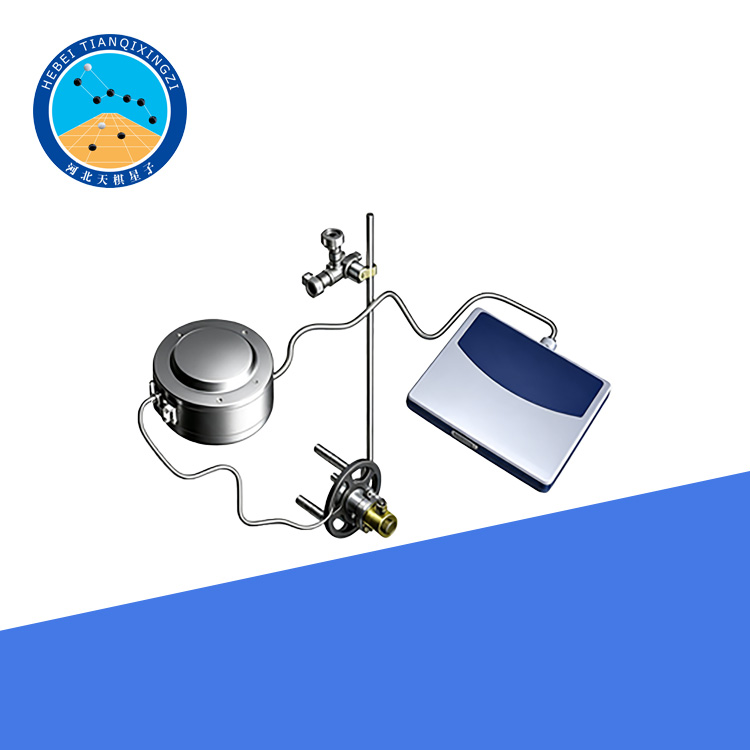
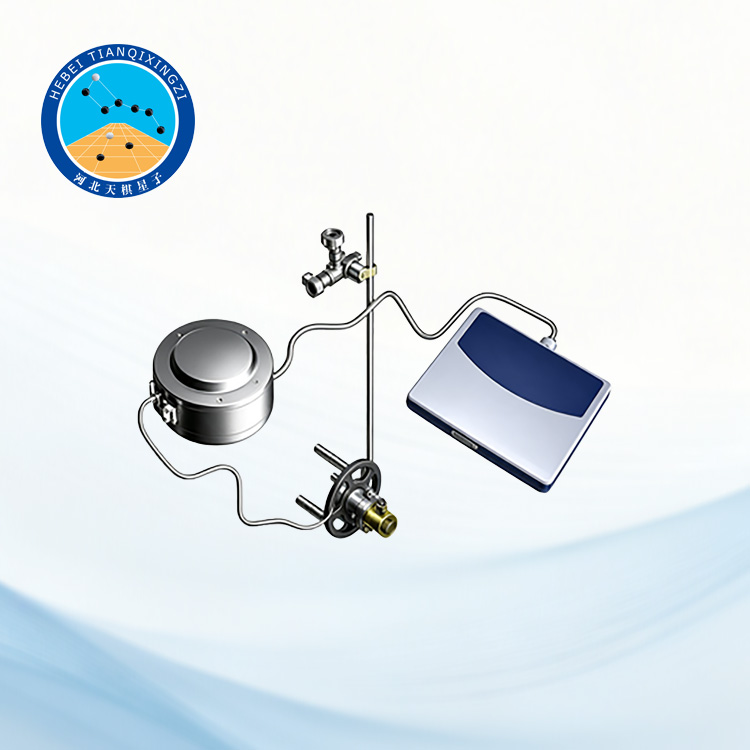
1. The testing system consists of a carrier vehicle, distance measuring device, bump accumulation value measuring device, and main control system.
2. Compared with mechanical bump accumulators, this instrument adopts a more advanced detection principle with a wider frequency response range. Pavement roughness is detected by a movable electronic probe, which can measure the Riding Quality Index (RQI) and directly transmit data to the CPMS pavement management system. Data acquisition and processing are performed by a laptop computer, while distance and speed measurements are obtained through an encoder installed on the rear wheel of the test vehicle.
III. Main Technical Parameters
Testing speed: 30–80 km/h.
Testing amplitude: -0.2 to 0.2 m.
Vertical displacement resolution: 1 mm.
Distance calibration error: <0.5%.
IV. Operating Instructions
1. This instrument is a computerized pavement roughness data acquisition and analysis system (response-type measurement system). It adopts a non-contact detection principle to measure the dynamic mechanical response of the vehicle caused by changes in the longitudinal pavement profile (unevenness) in real time. Through a mathematical model, the measured dynamic mechanical response is converted into various pavement roughness indices. The Vehicle-Mounted Road Roughness Tester is equipped with speed and distance measuring devices, allowing pavement roughness evaluation and construction acceptance testing of existing roads (including highways and airport runways) under normal driving speeds.
2. During roughness testing, no mechanical modification of the test vehicle is required. The control box can simply be placed on the front right passenger footwell of the test vehicle. The speed sensor (which also functions as a distance measuring sensor) is attached to the metal surface of the test vehicle by a magnetic mount.
V. Product Features
1. High-Speed Continuous Measurement
The instrument enables continuous pavement roughness testing at normal vehicle speeds, greatly improving inspection efficiency compared with traditional manual measurement methods.
2. Non-Contact Detection Technology
The electronic sensing system adopts a non-contact measurement method, reducing mechanical wear and improving measurement reliability.
3. Real-Time Data Acquisition and Analysis
The computerized data acquisition system automatically collects, processes, and analyzes testing data, providing accurate pavement evaluation results.
4. Wide Testing Speed Range
With a testing speed range of 30–80 km/h, the instrument is suitable for highway, urban road, and airport pavement inspection.
5. Easy Installation and Operation
The testing system requires no structural modification of the vehicle. The measuring unit can be quickly installed and removed, making field testing convenient and efficient.
VI. Applications
The Vehicle-Mounted Road Roughness Tester is widely used for:
Highway pavement roughness evaluation;
Urban road condition surveys;
Airport runway smoothness inspection;
Pavement construction quality acceptance;
Road maintenance planning;
Pavement management system data collection;
Transportation infrastructure research.
VII. Advantages
Continuous testing with high efficiency;
Reliable pavement roughness evaluation;
Suitable for highway-speed measurement;
Computerized data processing system;
Low maintenance requirements;
Convenient vehicle installation;
Applicable to various pavement types.
