


 Spanish
 Russian
 Arabic


Products Description
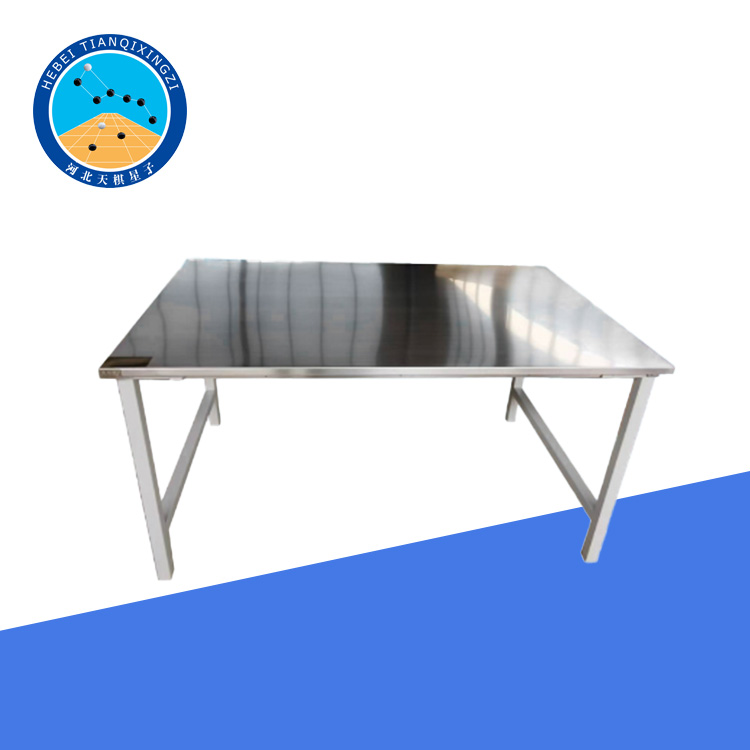
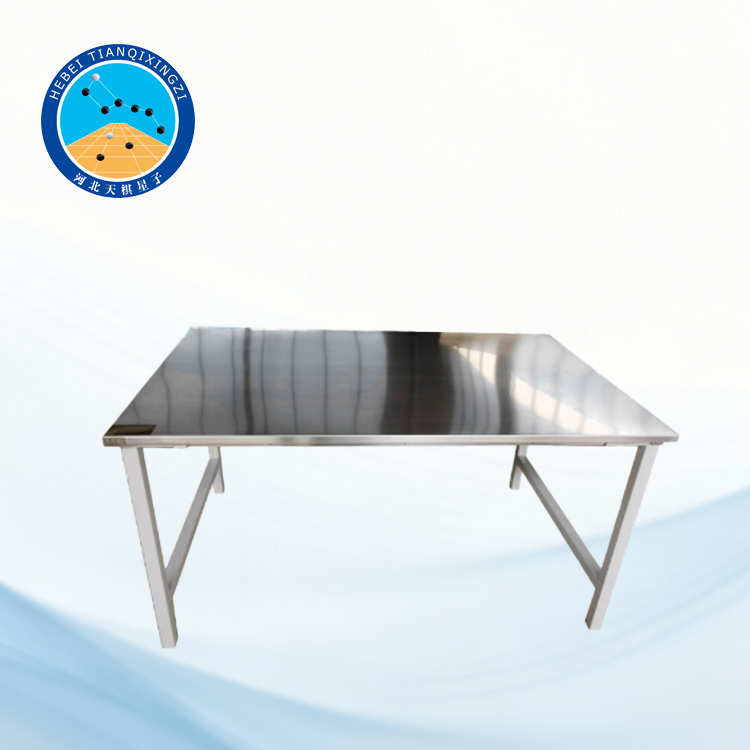
The Geotextile Width Measuring Table is designed for accurate width measurement of geotextiles and other geosynthetic materials. With a stable tabletop and precise measurement scale, it is ideal for laboratory testing, quality control, and inspection of various geosynthetic products.
Geotextile Width Measuring Table
Model: TD1113-CZ
I. Product Introduction
The Geosynthetic Material Width Measuring Table is developed and manufactured by our company in accordance with JTG E50-2006 Test Methods for Geosynthetics for Highway Engineering (T 1113-2006 Determination of Width), with reference to ISO 9862:2023 and ASTM D4595/D4595M-24. It is suitable for determining the width of geotextiles and other geosynthetic materials. Other types of geosynthetic materials may also be tested by reference to this method.
2. Definition
Wide width: The width of the entire sample after conditioning and tension removal, perpendicular to the length direction, is the width of the entire sample.
3. Instruments, Equipment, and Materials
3.1 Steel Ruler: 1mm graduation, length greater than the sample width.
3.2 TD1113-1/2/3 type width measuring table.
Technical Parameters:
Tabletop Dimensions:
Type 1 - 1000mm*1000mm
Type 2 - 2000mm*1000mm
Type 3 - 3000mm*1000mm
Table Height: 700mm
4. Test Procedure
4.1 Sampling and Specimen Preparation
Sampling shall be carried out in accordance with the provisions of T 1101-2006 of this specification.
4.2 Samples Longer Than 5 m
4.2.1 Removing Tension and Making Temporary Marks
First, lay 1–2 m of the sample end flat on the measuring table and remove any tension. Make the first pair of temporary marks approximately 1 m from the end of the sample.
Then, gently pull the sample forward and lay the middle section flat on the measuring table, removing any tension, and make the second pair of temporary marks.
Finally, pull the sample to position the last 1–2 m flat on the measuring table, remove any tension, and make the third pair of temporary marks.
4.2.2 Conditioning
After removing the tension from the sample, fully expose it to the standard atmosphere for conditioning. Conditioning shall be carried out in accordance with Section 5 of T 1101-2006 of this specification for at least 24 h, until the difference in width between three consecutive measurements at the temporary marking points is less than 0.25% of the width at each marking point.
4.2.3 Measurement
Remove the temporary marks from the sample and place it flat on the measuring table. Measure the width of the sample at least at five points at approximately equal intervals (not exceeding 10 m). The measurement points shall be at least 1 m from both ends of the sample. The width shall be measured to an accuracy of 1 mm.
4.3 Samples Shorter Than 5 m
Lay the sample flat on the measuring table and remove the tension. Mark at least four points at approximately equal intervals. The first and last marking points shall not be located less than one-fifth of the sample length from either end of the sample. Measure the width at each marking point to an accuracy of 1 mm.
5. Test Report
The test report shall include the following:
Sample name and specifications;
Test date;
Sample width;
Maximum and minimum sample width;
Measurement method;
Detailed explanation of any deviation from the prescribed procedure.
6 . Main Features
Suitable for measuring the width of geotextiles and various geosynthetic materials.
Rigid and stable tabletop design provides a convenient working surface for width measurement.
Available in three tabletop sizes to accommodate samples of different widths.
A clear measurement scale and steel ruler enable accurate width measurements.
The open tabletop design facilitates specimen positioning, tension removal, marking, and measurement.
Suitable for laboratory testing, quality control, product inspection, and research applications.
