


 Spanish
 Russian
 Arabic


Products Description
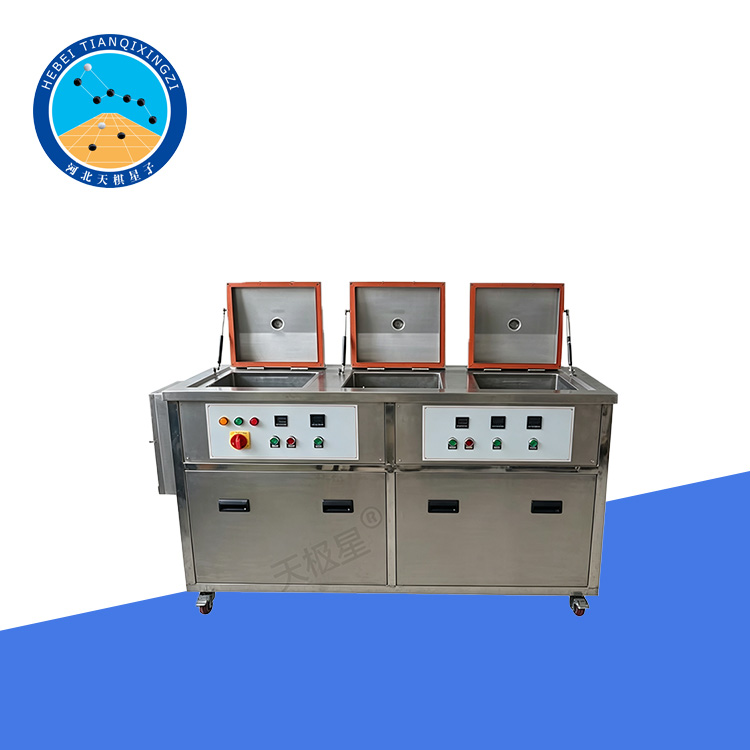
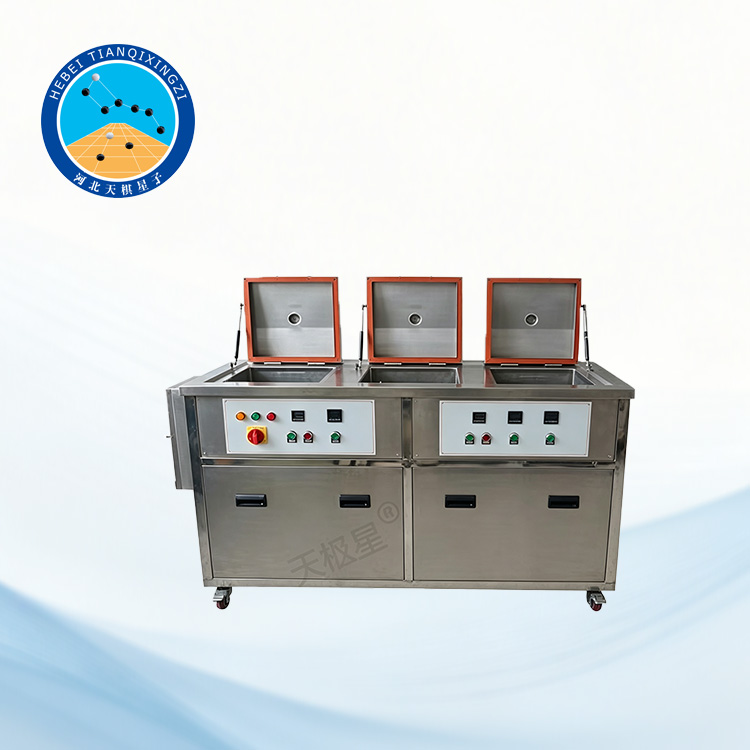
The Geosynthetic Acid and Alkali Resistance Tester evaluates the chemical resistance of geosynthetic materials by exposing test specimens to specified acidic or alkaline solutions under controlled temperature conditions. During the test, the solution is heated and continuously stirred to maintain uniform temperature and concentration throughout the test chamber.
Geosynthetic Acid and Alkali Resistance Tester
Model: TD17632-1
I. Scope of Application
This instrument is designed for testing the resistance of geosynthetic materials to acidic and alkaline solutions. It is equipped with a stirring function, allowing the solution in the container to be continuously stirred while being heated. This ensures thorough and uniform mixing of the solution throughout the container, thereby improving the accuracy and reliability of the test results.
II. Reference Standards
Q/CR549.7-2017, JTG E50-2006, SL/T235-2012.8, ISO 12960:2020, ASTM D5322-23, ASTM D6389-23
III. Main Features
1. PID Digital Temperature Control: A PID-based digital temperature control system ensures high temperature control accuracy and maintains a constant temperature of the solution inside the containers.
2. Three-Chamber Acid and Alkali Design: The instrument features a three-chamber design, allowing acid and alkali resistance tests to be conducted simultaneously.
3. Corrosion-Resistant Test Chambers: The test chambers are constructed from specially selected materials with excellent resistance to corrosion, acids, and alkalis.
4. Drainage System: Equipped with a convenient drainage system for efficient discharge of test solutions.
IV. Technical Parameters
1. Model: TD17632-1
2. Display Method: LED
3. Temperature Range: Room temperature ~ 80℃
4. Circulation Method: Internal circulation
5. Volume: 36L
6. Temperature control accuracy: ±0.1℃
7. Digital display resolution: 0.1℃
8. Cover plate: Yes
9. Working slot opening size: 300*400*300
10. Dimensions: 1100*500*420mm
11. Weight: Approximately 60KG
12. Power Supply: 220V
13. Heating Power: 1900W (per compartment)
V. Test Procedure
1. Prepare the acidic or alkaline test solution according to the applicable test standard.
2. Place the prepared geosynthetic specimens into the designated test chambers.
3. Add the required test solution and ensure that the specimens are adequately immersed.
4. Set the required test temperature using the PID digital temperature controller.
5. Start the heating and internal circulation/stirring system to maintain a uniform test environment.
6. Maintain the specified temperature and exposure conditions for the required test duration.
7. After the test is completed, drain the solution through the drainage system and remove the specimens.
8. Evaluate the changes in the specimens according to the relevant testing standard.
VI. Applications
The instrument is suitable for chemical resistance testing of various geosynthetic materials, including:
Geotextiles;
Geomembranes;
Geogrids;
Geocomposites;
Geosynthetic clay liners (GCLs);
Other geosynthetic materials used in civil engineering and environmental applications.
It can be used in laboratories, research institutions, quality inspection organizations, universities, and manufacturers for material quality control and durability evaluation.
VII. Advantages
1. Accurate Temperature Control: PID temperature control and 0.1°C digital resolution provide stable and precise test conditions.
2. Uniform Solution Mixing: Continuous internal circulation/stirring helps maintain a uniform temperature and solution concentration.
3. Simultaneous Testing: The three-chamber configuration allows multiple acid and alkali resistance tests to be performed simultaneously.
4. Corrosion Resistance: Specially selected chamber materials provide good resistance to acidic and alkaline test solutions.
5. Easy Operation: LED digital display allows operators to conveniently monitor the test temperature.
6. Convenient Solution Drainage: The integrated drainage system simplifies the removal of test solutions after testing.
