


 Spanish
 Russian
 Arabic


Products Description
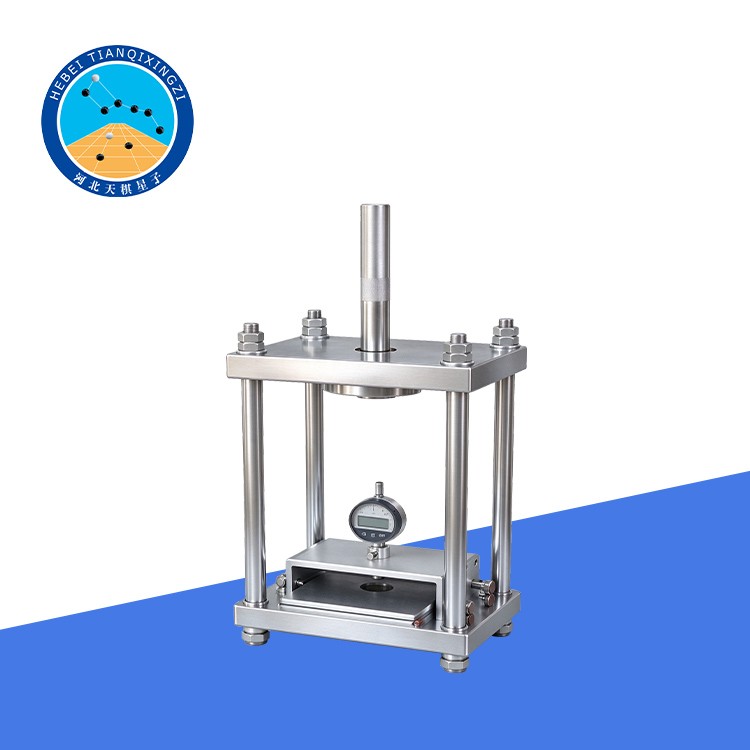
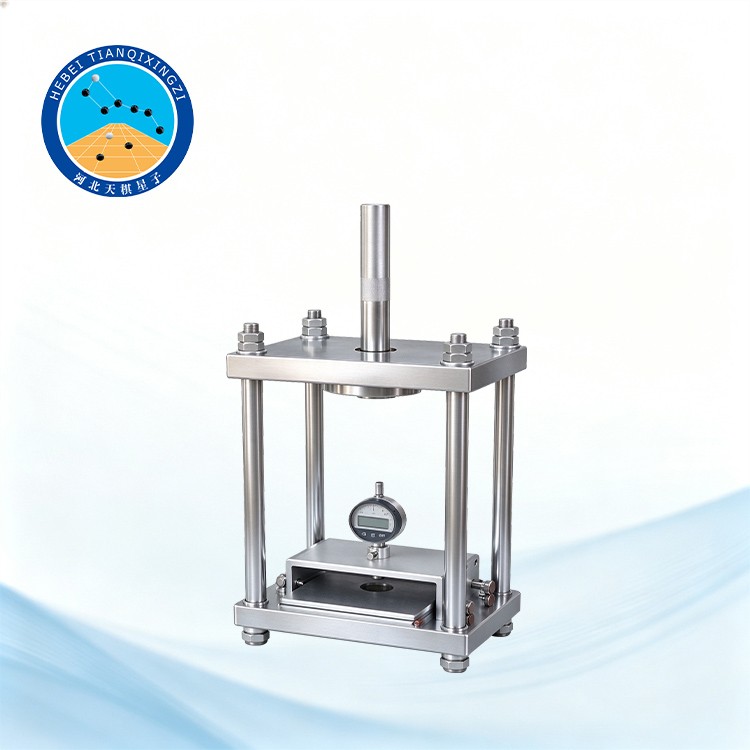
The Rebar Bond Strength Test Fixture is designed to measure the bond strength between reinforcing steel bars and concrete. Compatible with universal testing machines, it is suitable for laboratory testing of concrete-rebar bond performance using 150 mm cube specimens. It is widely used in construction materials testing, civil engineering laboratories, and concrete quality evaluation.
Rebar Bond Strength Test Fixture
Model: TD566-1
I. Application of the Rebar Bond Strength Test Fixture
The Rebar Bond Strength Test Fixture is designed to measure the bond strength between reinforcing steel bars and concrete. It is used to evaluate the bond performance between concrete and reinforcing bars. The fixture is designed for use with 30-ton, 60-ton, and 100-ton testing machines. It is developed in accordance with the requirements of the following Chinese standards:
GB/T 50081-2002 — Standard for Test Methods of Mechanical Properties of Ordinary Concrete
SD 105-82 — Test Code for Hydraulic Concrete
JTG 3420-2020 — Test Methods of Cement and Cement Concrete for Highway Engineering
Reference Standards: ASTM A944-22, ASTM C900-25
II. Main Technical Specifications
1. Specimen Dimensions: 150 mm × 150 mm × 150 mm.
2. Specimen Clamping Fixture: Made of a steel plate measuring 250 mm × 150 mm with a thickness of 30 mm. Four HRB400 reinforcing steel bars, each approximately 18 mm in diameter, pass through the plate. The upper steel plate is fitted with a 25 mm diameter pull rod. The lower end of the rod fits into the plate and forms a spherical contact joint, while the upper end is designed to be gripped by a universal testing machine.
3. Steel bearing plate dimensions: 150 mm × 150 mm × 10 mm, with a 40 mm diameter circular hole in the center;
4. Dial indicator: measuring range 0–1 mm, precision 0.001 mm;
5. Dial indicator mounting bracket material: metal;
6. Overall dimensions: 650 × 350 × 350 mm;
7. Weight: 24 kg.
III. Test Procedure
1. Cast the steel bar and concrete together as a single unit and cure the specimen.
2. Securely mount a dial indicator on the end of the steel bar that protrudes the least from the concrete.
3. Place the specimen onto the test fixture, ensuring that the end of the steel bar protruding the furthest from the concrete passes through the central hole at the bottom of the fixture.
4. Install the assembly between the upper and lower grips of the universal testing machine; clamp the upper grip onto the top of the fixture and the lower grip onto the steel bar protruding from the specimen.
5. Operate the universal testing machine to perform a tensile test.
6. Once the dial indicator registers the deformation distance specified for the test, record the reading displayed by the universal testing machine; this force value represents the measured bond strength of the steel bar.
IV. Key Features
1. Bond Testing: Designed to evaluate the bond strength between reinforcing steel bars and concrete specimens.
2. Universal Testing Machine Compatibility: Suitable for use with 30-ton, 60-ton, and 100-ton testing machines, subject to machine compatibility.
3. Standard Cube Specimen: Designed for concrete cube specimens measuring 150 mm × 150 mm × 150 mm.
4. Displacement Measurement: Equipped with a dial indicator with a measuring range of 0–1 mm and a resolution of 0.001 mm for monitoring specimen displacement.
5. Robust Construction: Features steel fixture plates and a metal dial indicator mounting bracket for stable laboratory testing.
6. Laboratory Applications: Suitable for concrete material research, reinforcing bar bond studies, and quality evaluation in civil engineering laboratories.
V. Applications
The Rebar Bond Strength Test Fixture is used to investigate the interaction between reinforcing steel bars and concrete under tensile loading. Typical applications include:
Evaluating the bond behavior of reinforcing bars embedded in concrete.
Studying the relationship between applied load and bar slip.
Comparing the bond performance of different reinforcing bar types or concrete mixtures.
Supporting research on reinforced concrete structures and construction materials.
Conducting laboratory experiments in universities, research institutes, and construction material testing laboratories.
VI. Why Choose the TD566-1 Rebar Bond Strength Test Fixture?
The TD566-1 provides a practical fixture solution for laboratory evaluation of steel bar–concrete bond behavior. Its steel plate assembly, pull rod, and displacement measurement arrangement allow it to be used with a compatible universal testing machine for controlled loading and slip observation. It is suitable for laboratories conducting reinforced concrete research, material performance testing, and bond strength investigations.
