


 Spanish
 Russian
 Arabic


Products Description
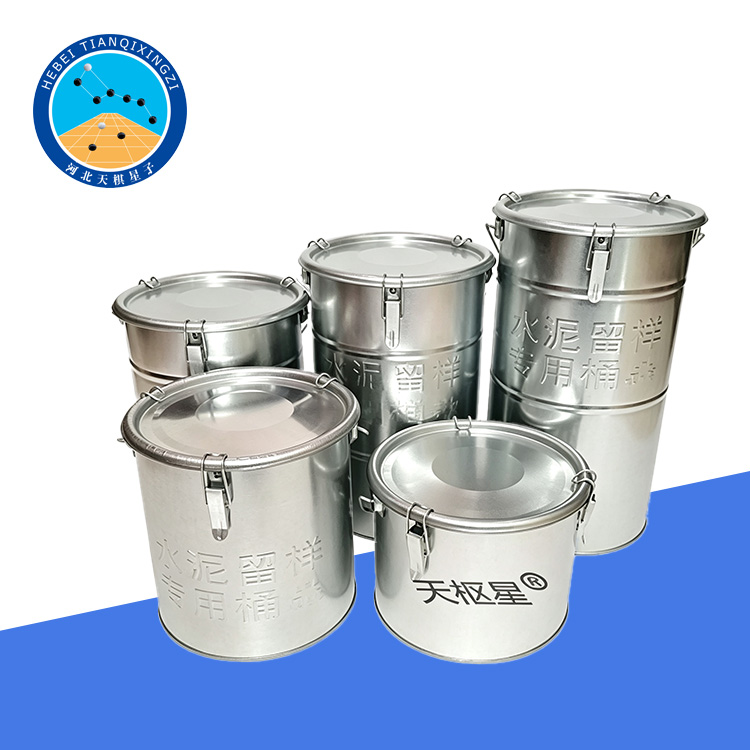
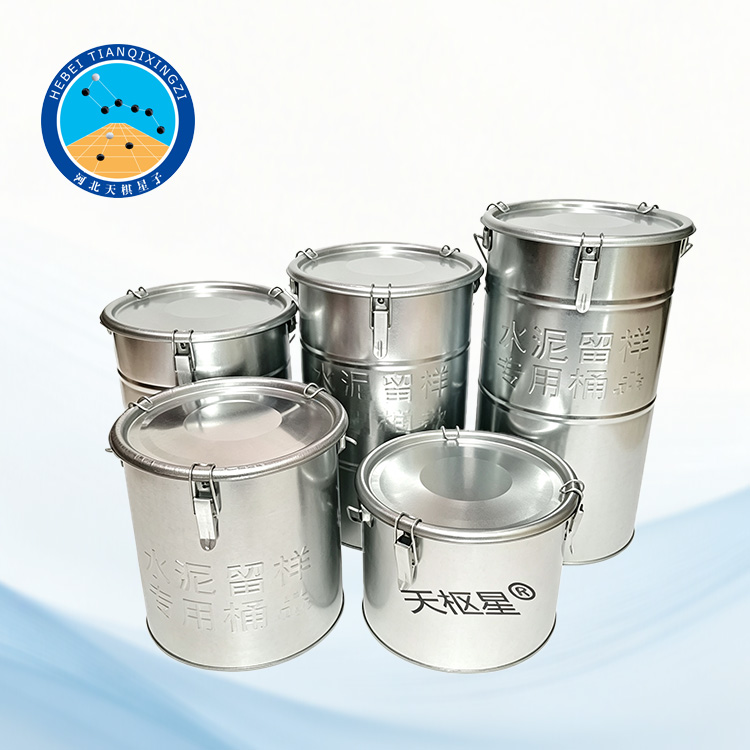
The Standard Cement Sample Storage Container is designed for the secure retention and storage of cement samples for quality control, inspection, and laboratory testing. Made of durable stainless steel, it provides a clean, dry, and sealed environment to help protect samples from moisture and contamination. With its compact design and reliable sample storage performance, it is suitable for cement plants, construction material laboratories, batching plants, and quality inspection facilities.
Standard Cement Sample Storage Container
Model: TD501-4
I. Technical Parameters
① Product Material: Stainless Steel
② External Dimensions: Ф200mm*250mm
II. Operating Instructions
1. Sample Storage and Sealing: After sampling, place the cement sample in a sealed metal container and secure it with a tamper-evident seal. The container should be clean, dry, moisture-resistant, airtight, durable, and non-reactive with cement.
2. Retention Period: The sealed retention sample should be stored for 3 months. Test samples and split samples should also be properly stored and preserved.
3. Delivery and Acceptance Inspection: During delivery and acceptance, the cement manufacturer and the user should jointly collect physical samples. The retention samples should be jointly sealed by both parties. When acceptance is based on the test results of the physical samples, the cement manufacturer's retention sample should be kept for 40 days. When acceptance is based on the test report for cement of the same identification number, the manufacturer's retention sample should be kept for 3 months.
4. Sample Identification: The sample container should have at least one clearly marked, durable, and tamper-evident seal indicating the sample identification number, sampling date and time, sampling location, and sampler/operator. If identification is provided at only one location, the marking should be placed on the container wall.
5. Storage Environment: Retention samples should be stored in a dry and well-ventilated environment, protected from moisture and other conditions that may affect sample quality.
III. Product Features
1. Stainless Steel Construction: Made of durable stainless steel, providing good corrosion resistance, strength, and long-term service life.
2. Moisture Protection: The sealed container helps protect cement retention samples from moisture and external contamination during storage.
3. Secure Sample Storage: The container is designed to provide a reliable storage environment for cement samples used for quality control and acceptance inspection.
4. Easy Identification: Sample information can be clearly marked on the container to facilitate sample identification, traceability, and management.
5. Reusable Design: The container can be cleaned and dried after use for subsequent sampling and storage applications.
6. Compact Structure: With an external diameter of 200 mm and a height of 250 mm, the container is suitable for routine cement sample retention and laboratory use.
IV. Sample Management
Proper sample identification and storage are important for maintaining sample traceability. Each retained sample should be clearly identified with relevant information, such as the sample number, sampling date, sampling location, cement batch or lot number, and sampler/operator.
The sample container should remain securely sealed throughout the retention period. Avoid opening the container unnecessarily, as exposure to ambient moisture or contaminants may affect the condition of the cement sample.
V. Maintenance
After each use, remove any residual cement from the container and clean the internal and external surfaces as necessary. Allow the container to dry completely before storing or using it again.
Regularly inspect the container, cover, sealing components, and identification markings for damage or deterioration. Replace or repair any damaged sealing components before the next sampling operation.
When not in use, store the container in a clean, dry, and well-ventilated environment to maintain its condition and prevent contamination.
