


 Spanish
 Russian
 Arabic


Products Description
The crushing value of aggregate is an important indicator for evaluating aggregate strength and durability. Fine aggregates with appropriate crushing resistance can improve the stability, load-bearing capacity, and long-term service performance of concrete and asphalt mixtures.
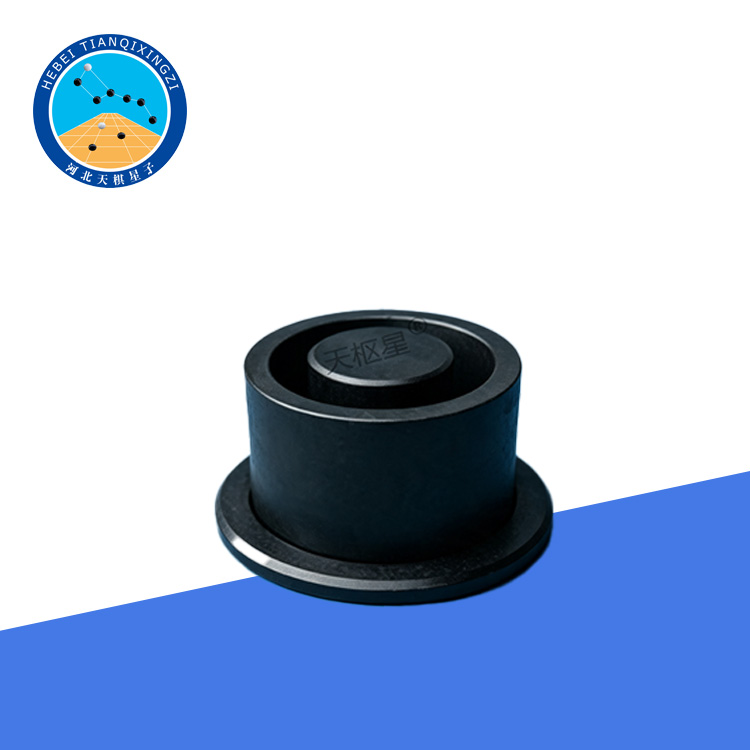
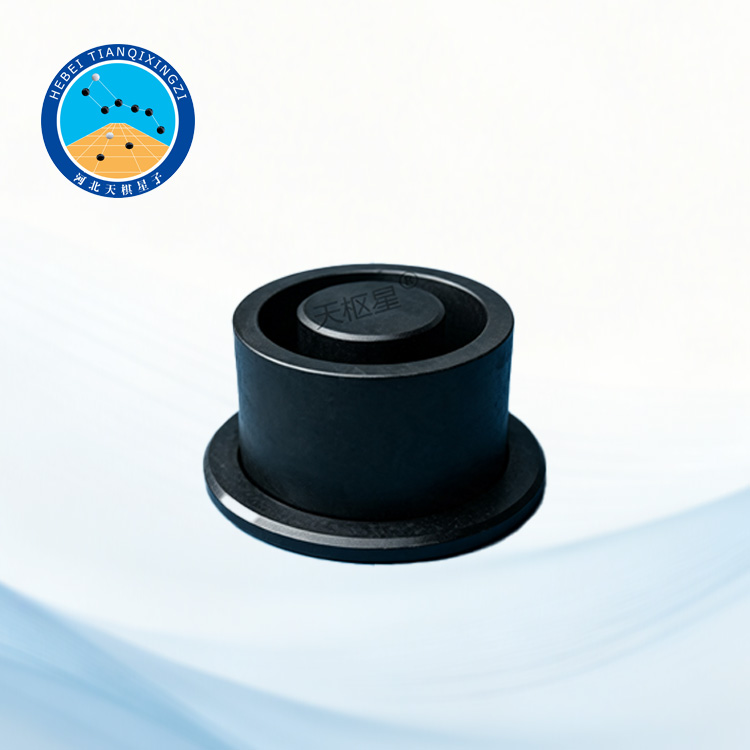
Fine Aggregate Crushing Value Test Apparatus
Model:TD0350-1
I. Product Introduction
The Fine Aggregate Crushing Value Test Apparatus (also known as a Sand Crushing Value Tester, Fine Aggregate Crushing Value Index Tester, or Sand Crushing Tester) is mainly used to determine the crushing value of aggregates, including crushed stone, sand particles, and other concrete aggregates, for evaluating their resistance to crushing under compressive loading.
II. Reference or Applicable Standards
GB/T 14685 — Pebble and Crushed Stone for Construction
JTG E42-2005 — Test Methods of Aggregate for Highway Engineering
GB/T 14684 — Sand for Construction
BS 812-110 — Testing Aggregates — Methods for Determination of Aggregate Crushing Value (ACV)
BS 812-111 — Testing Aggregates — Methods for Determination of Ten Percent Fines Value (TFV)
IS 2386 (Part IV) — Methods of Test for Aggregates for Concrete — Mechanical Properties
III. Technical Parameters
1. Inner Diameter of Compression Cylinder: Φ77 mm
2. Height of Compression Cylinder: 70 mm
3. Diameter of Compression Plunger: Φ76 mm
4. Net Weight: 3.6 kg
IV. Test Procedure
1. Place the cylindrical mold on the base plate to form the compression assembly. Put approximately 300 g of single-grade sand sample into the mold, ensuring that the height of the sample above the base plate is about 50 mm.
2. Level the surface of the sample inside the steel mold. Place the loading plunger into the cylinder and rotate it one full turn to ensure uniform contact with the sample.
3. Place the loaded compression mold containing the sample onto the support plate of the compression testing machine. Align it with the center of the loading plate, then start the machine and apply the load at a rate of 500 N/s. When the load reaches 25 kN, maintain the load for 5 seconds, and then release the load at the same rate.
4. Remove the compression mold, take out the loading plunger, discharge the compressed sample, and weigh its mass (m₀). Then sieve the sample using the lower-limit sieve of the corresponding particle size range (for example, if the sand sample has a nominal particle size range of 5.0 mm–2.5 mm, the lower-limit sieve refers to a square-hole sieve with an aperture size of 2.50 mm). Weigh the mass of the material retained on the sieve (m₁).
V. Working Principle
The Fine Aggregate Crushing Value Test Apparatus determines the crushing resistance of fine aggregate by applying a specified compressive load to a measured quantity of aggregate sample and evaluating the percentage of particles crushed after loading.
During the test, the fine aggregate sample is placed into the compression cylinder and subjected to a standard load through the compression plunger. After compression, the sample is sieved using a specified sieve, and the crushing value is calculated based on the proportion of crushed particles passing through the sieve. A lower crushing value indicates better resistance to crushing and higher aggregate strength.
V. Working Principle
The Fine Aggregate Crushing Value Test Apparatus determines the crushing resistance of fine aggregate by applying a specified compressive load to a measured quantity of aggregate sample and evaluating the percentage of particles crushed after loading.
During the test, the fine aggregate sample is placed into the compression cylinder and subjected to a standard load through the compression plunger. After compression, the sample is sieved using a specified sieve, and the crushing value is calculated based on the proportion of crushed particles passing through the sieve. A lower crushing value indicates better resistance to crushing and higher aggregate strength.
VI. Features
1. Simple and Reliable Structure
The apparatus adopts a compact mechanical structure with convenient operation and easy maintenance, making it suitable for routine aggregate testing in laboratories.
2. High Strength Components
The compression cylinder and plunger are manufactured from high-quality materials with excellent strength and wear resistance, ensuring stable performance during repeated compression tests.
3. Accurate Test Results
The precisely manufactured cylinder and loading components help ensure uniform force distribution and improve the accuracy and repeatability of test results.
4. Portable Design
With a net weight of only 3.6 kg, the apparatus is lightweight and easy to transport, making it suitable for laboratory and field testing applications.
5. Wide Application Range
It is suitable for testing the crushing resistance of fine aggregates, sand, crushed stone, and other aggregate materials used in concrete and highway engineering.
VII. Applications
The Fine Aggregate Crushing Value Test Apparatus is widely used in:
Highway engineering laboratories
Construction material testing laboratories
Aggregate quality inspection centers
Concrete research laboratories
Universities and scientific research institutes
Quarry and aggregate production facilities
It is mainly used to evaluate the mechanical strength and crushing resistance of aggregate materials, providing reliable data for material selection and quality control.
