


 Spanish
 Russian
 Arabic


Products Description
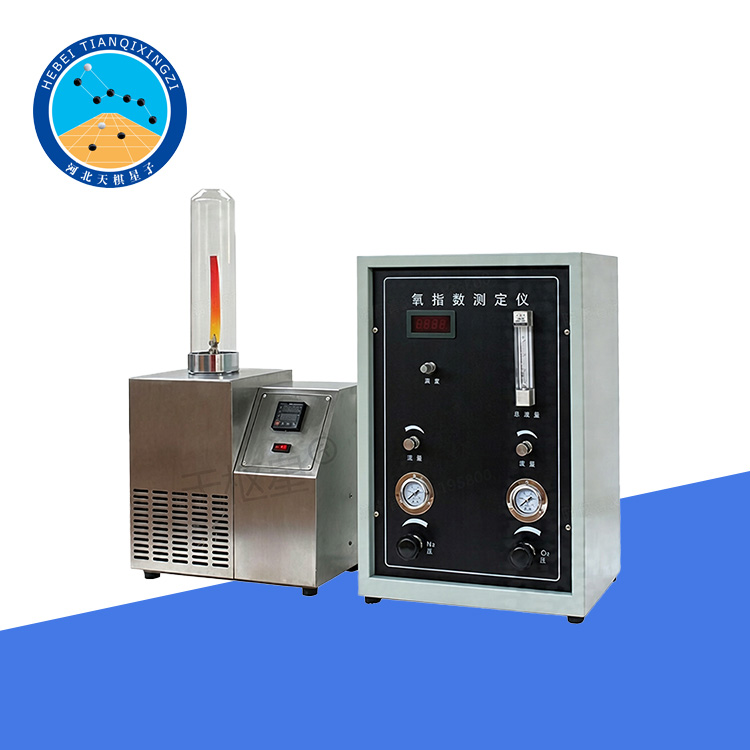
This instrument can not only be used as a method for evaluating the flame retardancy of polymers, but also serves as an effective research tool for laboratory studies on flame-retardant formulations and the development of new flame-retardant materials. It is suitable for the flammability testing of solid materials, laminates, foamed plastics, fabrics, sheets, films, and other materials.
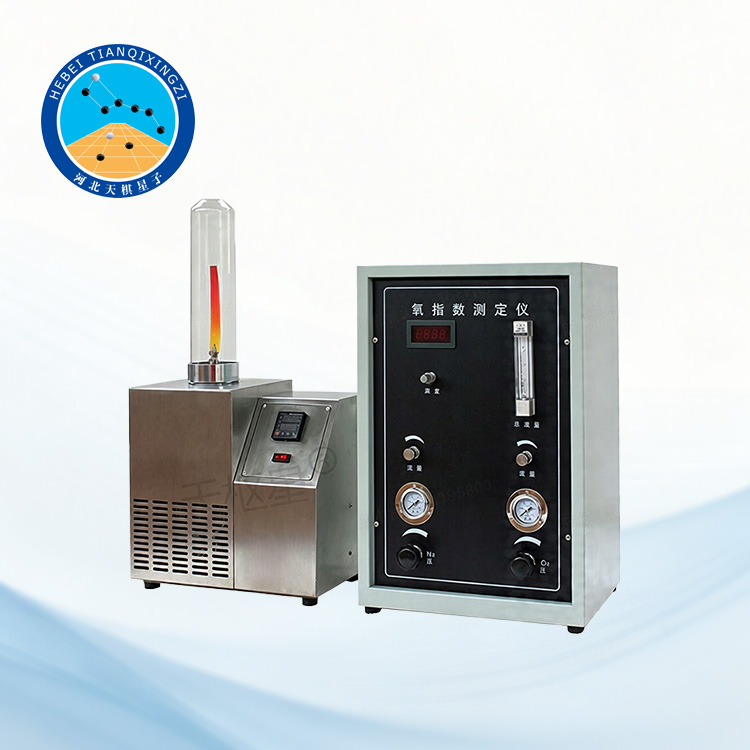
Limiting Oxygen Index (LOI) Tester for Wood-Based Panels
Model:TDSB-RZ
I. Product Introduction
This Oxygen Index Tester for Wood-Based Panels designed according to ISO 4589-2, ASTM D2863, and GB/T 2406.2 standards, this oxygen index tester is used to evaluate the flammability and combustion behavior of wood-based panels and other non-metallic materials. This instrument is designed to determine the volume percentage of oxygen required for polymer combustion. The oxygen index value of a polymer refers to the minimum oxygen concentration required to sustain combustion in an oxygen-nitrogen mixed gas flow after ignition, when the specimen continues to burn for 50 mm in length or for 180 seconds. The measured value is also known as the Limiting Oxygen Index (LOI).
The instrument features a reasonable structural design and is easy to operate, maintain, and service. The testing system adopts an imported oxygen sensor and provides digital display of test results. With advantages such as accurate evaluation and good repeatability, it is an ideal testing device for scientific research, production quality control, and material performance evaluation.
II. Technical Specifications
1. Measurement Range: 0–100% O₂
2. Resolution: 0.1% O₂
3. Measurement Accuracy: ±0.4% O₂
4. Response Time: <10 s
5. Digital Display Accuracy: 0.1% ± 1 digit
6. Output Drift: <5% per year
III. Operating Conditions
1. Ambient Temperature: -10°C to 45°C
2. Relative Humidity: <85%
3. Power Supply and Consumption: 220V, 50Hz, 100W
4. Gas Supply: Industrial oxygen gas complying with GB3863; industrial nitrogen gas complying with GB3864. Both gas cylinders should be equipped with pressure regulators.
5. Outlet Pressure: 0.25–0.4 MPa
6. Working Pressure: 0.15 MPa
IV. Instrument Maintenance
1. If the instrument is not used for a long period of time, the oxygen sensor should be removed and stored in a refrigerator (cold storage compartment). Otherwise, the service life of the sensor may be affected.
2. Before operating the instrument, carefully read the user manual and the national standard for the oxygen index method. This will help ensure proper operation of the instrument and accurate calculation of the oxygen index value.
3. For newly purchased equipment, it is recommended to properly preserve the remaining portions of tested specimens at the beginning of use. These specimens can be used for future comparative tests to evaluate instrument performance and determine whether there are any changes in oxygen index values over time. If the deviation exceeds the original accuracy level, replacement of the oxygen sensor should be considered.
V. Precautions
1. Use the specified power supply voltage. The instrument must be properly grounded during operation.
2. During sample testing, some materials may release toxic or harmful gases. It is recommended that testing be carried out inside a fume hood, with appropriate personal protective measures taken.
3. When using liquefied gas, natural gas, coal gas, or other gas sources, all pipeline connections must be checked to ensure there is no gas leakage. Aging gas hoses should be replaced in a timely manner.
4. The operator must not leave the testing area during the test.
5. Computer-controlled equipment should be protected against virus attacks.
6. Appropriate fire extinguishing equipment should be provided.
7. After the test is completed, all power supplies and gas sources should be turned off.
VI. Main Features
1. High-Precision Oxygen Measurement
Equipped with a high-quality oxygen sensor, the instrument provides accurate oxygen concentration measurement and stable long-term performance.
2. Digital Display and Easy Operation
The test parameters and oxygen concentration values are displayed digitally, allowing convenient operation and clear observation of test results.
3. Reliable Test Performance
The system provides good repeatability and accuracy, reducing human operation errors and improving testing reliability.
4. Wide Material Compatibility
Suitable for testing various non-metallic materials, including wood-based panels, laminates, plastics, rubber, textiles, films, and other combustible materials.
5. Safe and Practical Design
The instrument adopts a reasonable structure with convenient operation, maintenance, and gas control.
