


 Spanish
 Russian
 Arabic


Products Description
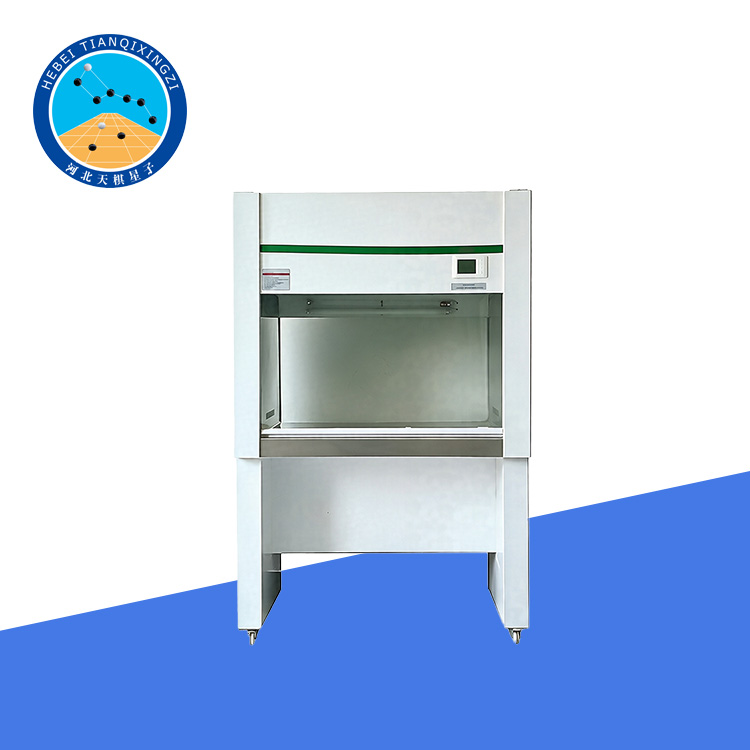
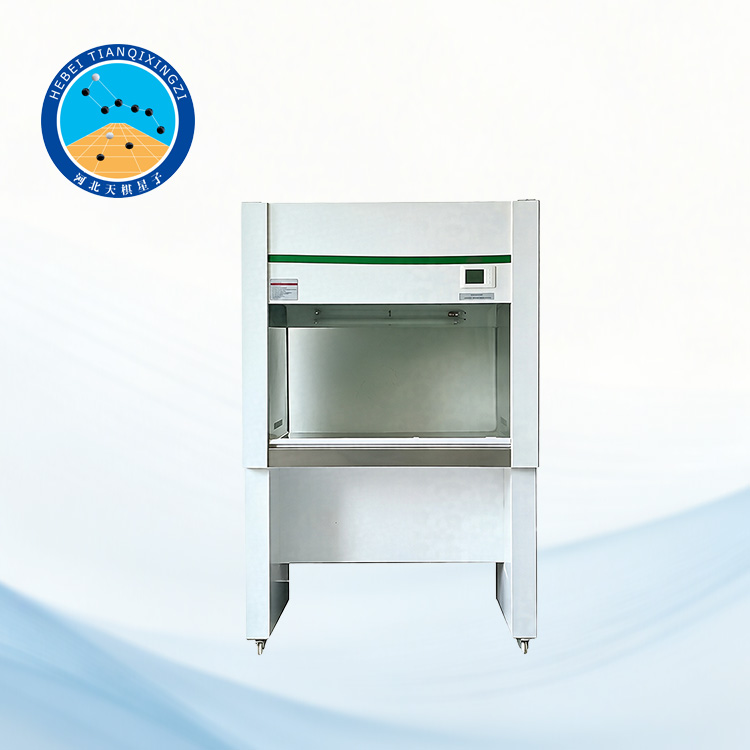
A Clean Bench is mainly designed to protect the sample and working area from contamination. It is widely used for clean operations where operator protection is not required.Users should select the appropriate equipment according to their application requirements.
Laboratory Laminar Flow Cabinet | Clean Bench Manufacturer
I. Product Introduction
Clean Bench (Laminar Flow Cabinet), also known as a clean air workstation, is designed to meet the requirements for local clean working environments in modern industries, optoelectronics, biopharmaceuticals, scientific research, and laboratory applications. Its main function is to effectively reduce airborne particles, microorganisms, and other contaminants in the working area through a specially designed airflow and filtration system, ensuring testing accuracy and maintaining sample purity.
Clean Benches are widely used in microbiology, cell culture, molecular biology, pharmaceutical research, electronics, food testing, cosmetics, and other fields. They provide a sterile and clean working environment for the operation and handling of samples that are easily contaminated or highly sensitive to contamination.
II. Working Principle
The Clean Bench uses a fan to draw ambient air into the pre-filter. The air then passes through the plenum chamber and enters the high-efficiency particulate air (HEPA) filter for purification. After filtration, the clean air is delivered into the working area in either a vertical or horizontal laminar airflow pattern, achieving a Class 100 clean environment.
Specifically, the room air first passes through the primary filter, then is pressurized by a low-noise fan into the plenum chamber. After passing through the HEPA filter, the purified air flows out evenly at a stable velocity, forming a uniform clean airflow that carries away airborne dust particles within the working area, thereby creating a highly clean and controlled working environment.
III. Classification
Clean Benches can be classified into two types according to the direction of airflow: vertical laminar flow and horizontal laminar flow.
Vertical Laminar Flow Clean Bench:
The fan is installed at the top of the unit. It produces a downward vertical airflow and generally has a higher noise level. It is commonly used in pharmaceutical engineering and biological applications.
Horizontal Laminar Flow Clean Bench:
The airflow moves horizontally toward the operator. It features lower operating noise and is widely used in the electronics industry and precision manufacturing applications.
In addition, Clean Benches can also be classified according to their operating structure into single-sided operation and double-sided operation types. Based on their applications, they can be further divided into general Clean Benches and biological (pharmaceutical) Clean Benches.
IV. Maintenance and Care
To ensure the long-term stable operation and efficient filtration performance of the Clean Bench, regular inspection and replacement of filters are recommended. The working area should be kept clean to prevent the introduction of new contaminants during operation. In addition, regular maintenance and servicing of the equipment should be carried out to ensure proper operation and extend its service life.
V. Main Features
1. High-Efficiency HEPA Filtration System
The Clean Bench is equipped with a high-efficiency HEPA filter, which effectively removes airborne particles and microorganisms. The filtration efficiency can reach 99.99% for 0.3 μm particles, providing a highly clean working environment.
2. Stable Laminar Airflow
The optimized airflow design ensures uniform air velocity throughout the working area, minimizing turbulence and reducing the possibility of contamination.
3. Low Noise Operation
The high-quality low-noise fan system provides stable airflow while reducing operating noise, creating a comfortable laboratory environment.
4. User-Friendly Control System
The equipment is usually equipped with a digital control panel for easy adjustment of airflow speed, lighting, and operating parameters.
5. Durable and Easy-to-Clean Structure
The working chamber is generally made of stainless steel, featuring corrosion resistance, smooth surfaces, and easy cleaning and maintenance.
6. Energy-Efficient Design
Advanced airflow technology helps reduce energy consumption while maintaining excellent cleanliness performance.
