


 Spanish
 Russian
 Arabic

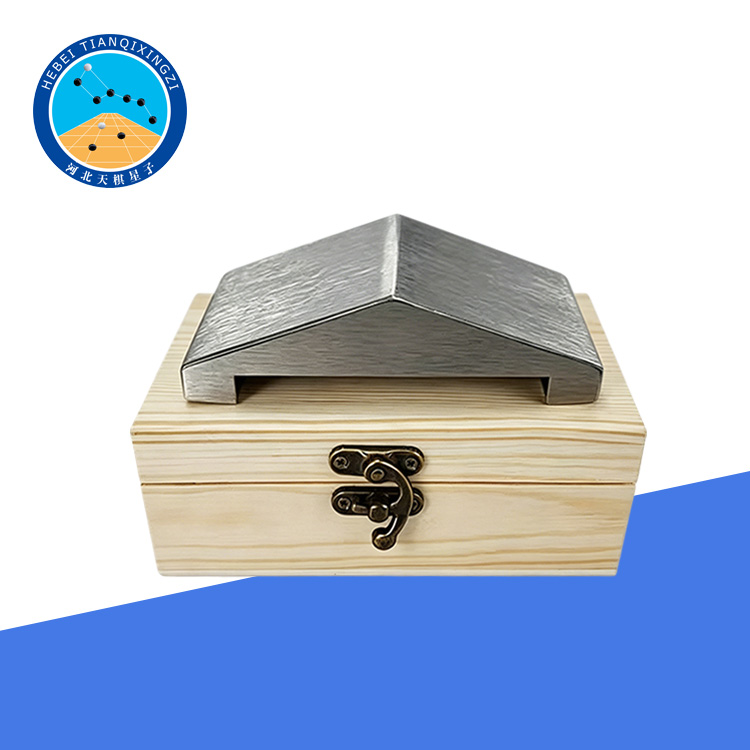

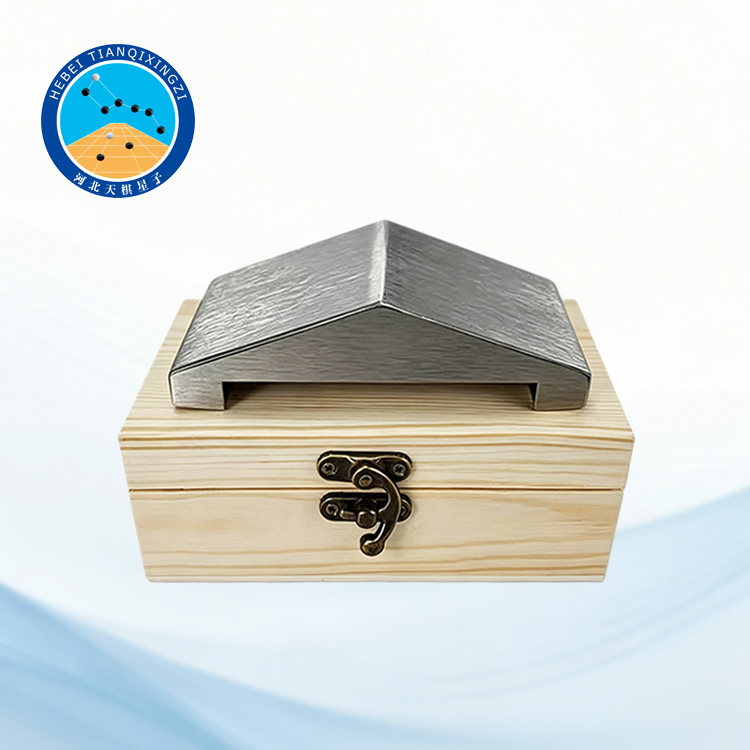
Products Description
The Low-Temperature Flexibility Metal Test Bench for asphalt joint sealing compound is used to evaluate the flexibility and crack resistance of sealing materials under low-temperature conditions. It helps assess whether the material can maintain its integrity and bending performance without cracking when exposed to cold environments, providing reliable data for material performance evaluation and quality control.
Asphalt Sealant Low-Temperature Flexibility Tester Bench
Model:TDJC207-3
I. Product Introduction
The Low-Temperature Flexibility Metal Test Bench for building waterproof asphalt joint sealing compound is designed and manufactured in accordance with JC/T 207-2011 “Building Waterproof Asphalt Joint Sealing Compound”, and also refers to international standards such as ASTM D6690, EN 14188-1, and AASHTO M 301. It is used to evaluate the low-temperature flexibility and crack resistance of building waterproof asphalt joint sealing compounds under low-temperature conditions.
II. Technical Parameters
1. Cone body length: 45mm
2. Metal can dimensions: 80x51mm
III. Instructions for Use
1. Fill the metal can with the ointment sample, compacting and leveling it.
2. Immerse the sample in water at 25 ± 1℃ for 45 minutes.
3. Test using a penetration meter fitted with a drop cone from the metal can.
4. Measure the depth of the drop cone within 5 seconds.
5. After each test, wipe the cone clean with cotton yarn and a soft cloth soaked in gasoline or kerosene;
6. Test at three points, evenly distributed 20 mm from the edge of the metal can;
7. The result is the arithmetic mean of the three test data. If any of the three data points differs from the mean by more than 2 mm, a retest is allowed. If the difference from the mean still exceeds 2 mm, a new sample should be prepared and tested.
