


 Spanish
 Russian
 Arabic


Products Description
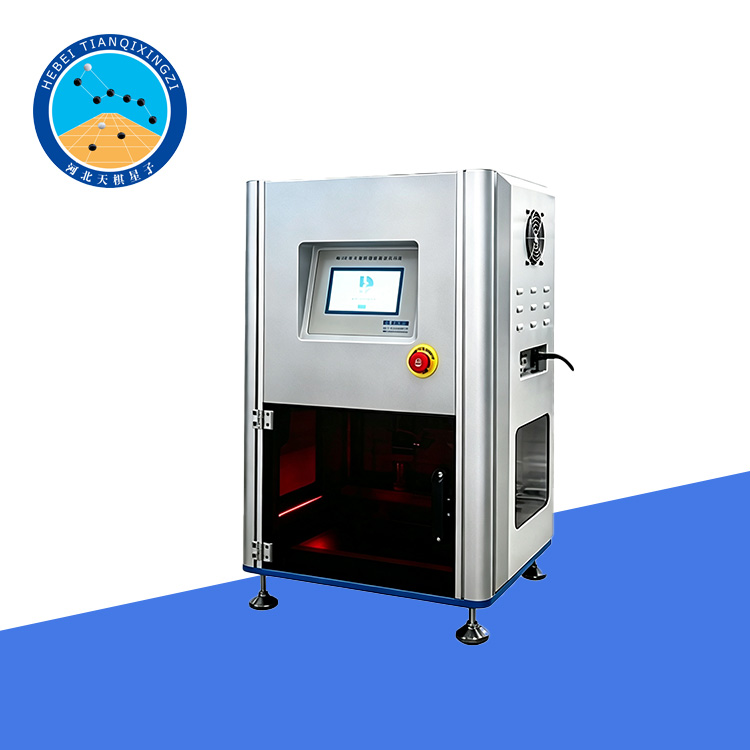
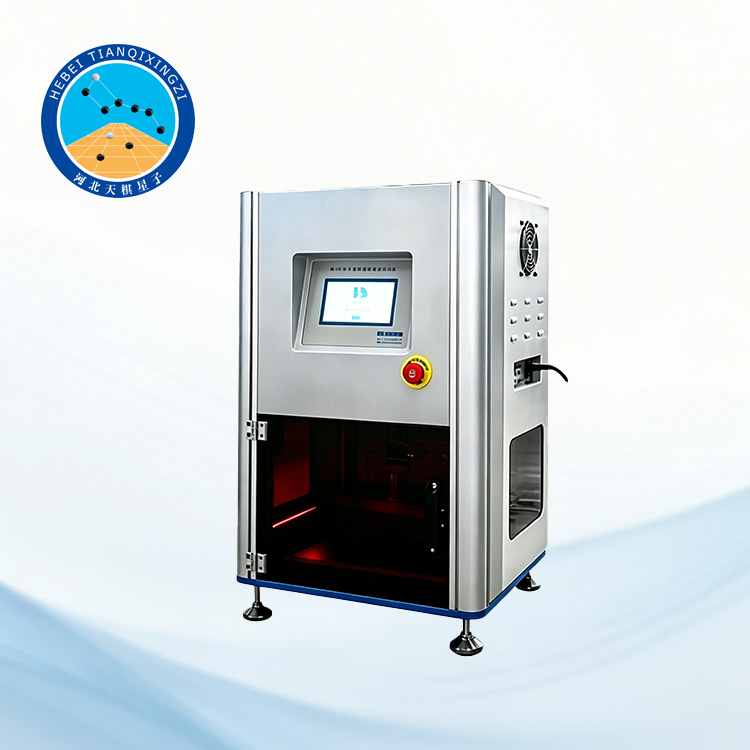
The Wood-Based Panel Sliding Friction Coefficient Tester is designed to measure the ratio of the sliding friction resistance of the surface of wood-based panels and surface decorated wood-based panels to the applied normal pressure. This tester is an ideal testing instrument for wood-based panel manufacturers, research institutes, quality inspection organizations, and laboratory studies.
Wood-Based Panel Sliding Friction Coefficient Tester
Model:TD17657-HM
I. Equipment Overview
The Wood-Based Panel Sliding Friction Coefficient Tester is an intelligent testing and analysis instrument developed by our company according to the requirements of Clause 4.28 of GB/T 17657-2022 "Test Methods of Evaluating the Properties of Wood-Based Panels and Surface Decorated Wood-Based Panels".
The instrument adopts software-based one-touch operation for testing and is equipped with a high-precision servo motor control system. It features high control accuracy, easy operation, and reliable performance.
II. Equipment Principle
The Wood-Based Panel Sliding Friction Coefficient Tester applies a constant torque to the rotating shaft through a force transmission device, driving the test platform base. The software automatically collects test data to measure and calculate the sliding friction coefficient.
The instrument consists of two main parts: the main testing unit and the intelligent control system. The test operation is performed through the upper computer control system. During the test process, the system can simultaneously display test values, torque-time curves, and other test data.
The number of test cycles can be set according to requirements. The system displays the current test values in real time and is equipped with a data transmission interface, allowing the automatic printing of standard test reports containing curves, tables, and other required test data.
III. Main Technical Specifications
1. Driving Method: Imported servo motor drives the friction rotating shaft.
2. Control and Operation: PLC program control with TFT LCD touch screen operation.
3. Holding Force Time: 0–9999 min (adjustable).
4. Test Time: 0–9999 min (adjustable).
5. Rotational Torque Range: 0.1 N·m–60 N·m (adjustable).
6. Torque Accuracy: ±10 N·cm.
7. Torque Direction: Clockwise and counterclockwise rotation.
8. Rotating Shaft Diameter: φ20 mm.
9. Wire Winding Drum Diameter: φ54 mm.
10. Rotating Disc Lifting Height: 10 mm–4000 mm (adjustable).
11. Rotating Loading Weights: One 2.5 kg weight, one 5 kg weight, and one 10 kg weight.
12. Rotating Disc Diameter: φ100 mm.
13. Rotating Disc Friction Pad Specifications: The friction pad is made of sole rubber with a Shore D hardness of 60. Its dimensions are 2 mm (length) × 2 mm (width) × 5 mm (thickness), with a density of 1.04 g/cm³.
14. Test Specimen Dimensions: Length L = (450 ± 5) mm; Width b = (450 ± 5) mm. Specimens can be joined in the width direction.
15. Instrument Dimensions: Approximately 850 × 720 × 1550 mm (L × D × H).
16. Power Supply: AC 220 V, 50 Hz; Power consumption: approximately 800 W.
IV. Instrument Components
The instrument consists of a test platform, driving torque servo motor, rotating shaft, rotating disc, torque sensor, friction pad, rotating loading device, counterweight weights, specimen clamping device, control unit, and operating software.
V. Product Features
1. High-Precision Servo Drive System
The tester is equipped with a high-precision servo motor drive system, providing stable torque output and accurate control during friction testing.
2. Intelligent Operation System
The PLC control system combined with TFT LCD touch screen provides convenient operation. Test parameters can be easily set, and test data can be automatically collected and analyzed through the software.
3. Real-Time Data Monitoring and Analysis
During testing, the system displays real-time test values, torque-time curves, and test status information, allowing users to monitor the testing process conveniently.
4. Reliable Test Performance
The instrument adopts a stable mechanical structure and precision torque measurement system to ensure repeatability and accuracy of test results.
5. Automatic Test Report Generation
The built-in data management system supports data transmission and automatic generation of test reports containing curves, tables, and test results, improving laboratory efficiency.
